
Chemotherapy has been a lifesaving treatment for many individuals with cancer — but it can also be extremely demanding. While it can be highly effective in shrinking tumors, some side effects include hair loss, fatigue, nausea, changes in appetite, and decreased blood cell counts.
Believe it or not, some types of cancers can grow resistant to chemotherapy.
Deciphering when cancer might toughen up against chemotherapy is pretty tricky. Even though researchers and doctors notice some hints and clues about resistance, predicting the exact moment is a bit like trying to hit a bullseye with a blindfold.
But in what could be a game-changer, scientists at the University of California San Diego School of Medicine revealed today in a study that a high-tech machine learning tool might just figure out when cancer is going to give the cold shoulder to chemotherapy.
Teaming up against cancer
When cells divide, even the cancer ones, they rely on complex molecular machinery that helps them copy their DNA. Chemotherapy drugs usually put a stop to this DNA-copying mechanism, especially in fast-growing tumor cells.
The tricky part is that tumors have many different mutations, making it hard to guess if they’ll resist the drugs.
The machine learning computer program developed by the researchers has cracked how to figure out how all those mutations team up to either cooperate or resist the drugs messing with DNA copying.
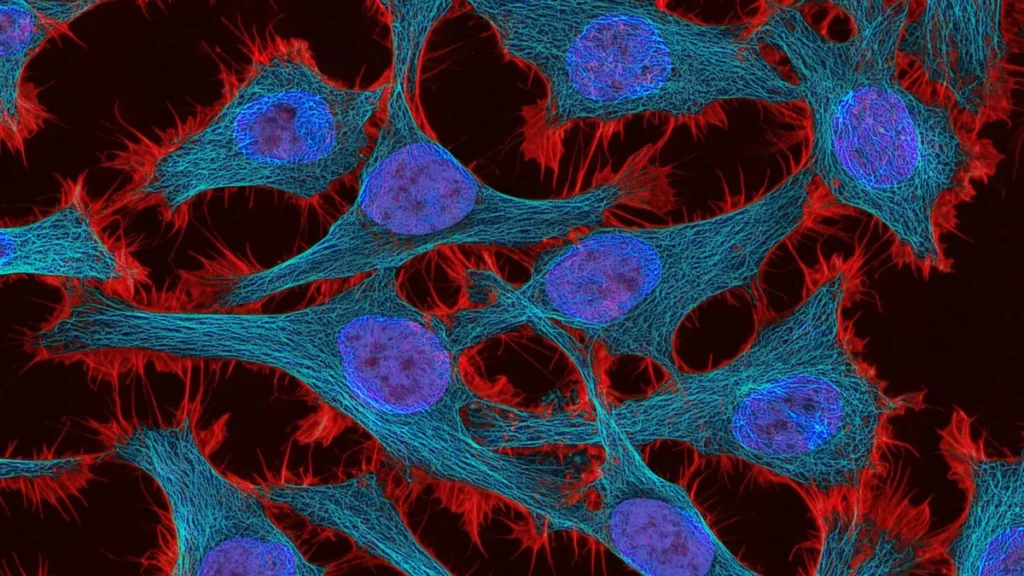
The researchers tested their algorithm on cervical cancer tumors. They chose cervical cancer because, sadly, about 35 percent of tumors stick around after treatment.
The computer program was able to figure out which tumors would respond well to therapy, making patients better. It also spotted which tumors might not respond well.
“Clinicians were previously aware of a few individual mutations that are associated with treatment resistance, but these isolated mutations tended to lack significant predictive value,” said Dr Trey Ideker, professor in the Department of Medicine at UC San Diego Medicine.
Apart from predicting responses, the computer program explained its decisions by pointing out the protein groups causing resistance in cervical cancer.
The researchers say this ability to explain why it made certain predictions is crucial for the computer program to work well and for creating reliable smart systems.
“The reason is that a much larger number of mutations can shape a tumor’s treatment response than previously appreciated. Artificial intelligence bridges that gap in our understanding, enabling us to analyze a complex array of thousands of mutations at once,” added Dr Ideker.
by: Sejal Sharma
published on Interesting Engineering